Weekly Scorecard: Feb. 3 - 9, 2026
Spring (training) is in the air.
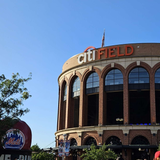

Winter, at last, slowly begins to loosen its grasp. The cold becomes a little less bitter, the wind a little less biting. The meter-high piles of snow give way to puddles of saltwater and dirt-stained slush. The Charles River breaks through its blanket of ice. The first workouts for pitchers and catchers begin tomorrow.
This is how spring heralds its arrival.
Before getting into the general news: legendary baserunner and three-time World Series winner Terrance Gore passed away on Saturday at the age of 34. Roger Cormier shared this excellent anecdote from Gore's time with the Mets in the final season of his career:
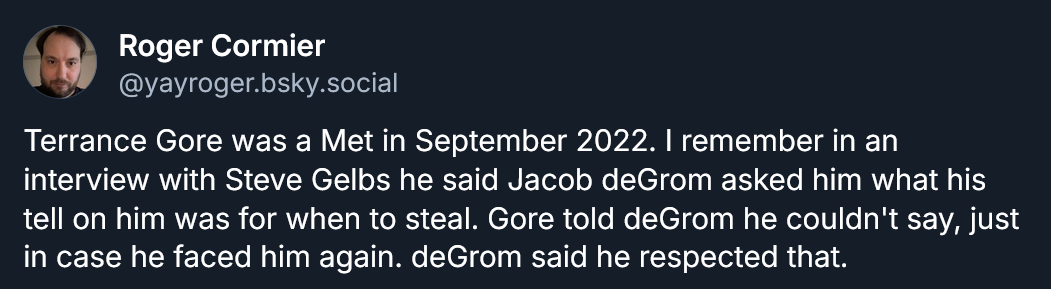
My condolences to his loved ones, and to everyone whose lives he touched during his career and beyond.
The Scoreboard
Sometime on Wednesday, February 4th, Tarik Skubal walked into an arbitration hearing with the Detroit Tigers, who put forth an offer of $19 million for his 2026 salary. Approximately 24 hours later, he was guaranteed $32 million instead. So what, exactly, transpired in the brief window between the beginning and end that we witnessed? If you, like me, are new to the game of arbitration, or perhaps just need a refresher, let me explain.
...No, there is too much. Let me sum up:
The rules and their exceptions are described in official detail here, but generally speaking, a player is eligible to negotiate a salary with their club while they have between three (sometimes two) and six years of service time. If they cannot reach an agreement by the arbitration deadline, then the two sides exchange figures in preparation for a hearing. While a number of players manage to settle after the deadline and avoid prolonging the process, many teams take a firm file-and-trial approach and refuse to negotiate further, in the hopes that the player will reduce their figure in exchange for a better shot at winning their case.
In the hearing itself, the player and the club present their respective figures to a panel of three arbitrators, with each side given one hour to defend their own case and half an hour for rebuttal. There's a ridiculously long list of things that are inadmissible as evidence, but a couple of key things are admissible: publicly available statistics and annual awards for playing excellence. (Like, say, a Cy Young Award.) Additionally, arbitrators are only supposed to compare the contracts of players up to one year above the player in question's service time group, unless that player has at least five years of service, which Skubal does.
There's one other exception to this rule: on the basis of special accomplishments (like, say, back-to-back Cy Young Awards, which Skubal apparently had on hand at the hearing), a player can compare themselves to any other player when arguing, regardless of service time. Even if Skubal didn't have five years of service time, he would still be free to compare himself to free-agent figures like Jacob DeGrom’s $37MM AAV.
After the hearing concluded, but before the decision was known to anyone, Detroit casually gave out a contract with the highest-ever AAV for a left-handed pitcher. Not to Mr. Skubal, of course—that money went instead to Framber Valdez in a 3-year, $115MM deal, which also makes it the 10th-highest AAV of all time for any player. So it's pretty clear that this is less about the Tigers pinching pennies and more about them (and the league) doing their damnedest to forcibly cap the pay of players who haven't "earned it" yet, which isn't the sort of thing that typically goes over well with unions.
When it comes to the settlement itself, the arbitration panel must choose one of the two submitted numbers, and surprise, surprise: they chose Skubal's, upholding the popular opinion that the $19 million offered by the Tigers was a ridiculous lowball. His $21.85 million raise set plenty of records, as well as important precedent for future arbitration-eligible players. Ginny Searle, reviewing the outcome, had another crucial note:
I’d be willing to bet that if the arb system comes through unscathed, MLB fires whichever arbitrators voted for Skubal, as they did following losing arbitration battles in 2012, 2016, and 2019 (both the league and union have the unilateral right to fire arbitrators, though only the league exercises it.)
It probably doesn't help that Edwin Uceta and Graham Ashcraft were also victorious in their arbitration hearings this past week, making it 5-1 players—the only player to have lost thus far is Keegan Akin.
It remains to be seen how this will affect the arbitration process—and indeed the entire landscape of player salaries—going forward, with a particular eye on the upcoming expiration of the current collective bargaining agreement and the arbitration years of someone like Paul Skenes, who could probably make great use of the aforementioned "special accomplishments" exception. Not to mention the question of what the Tigers will do with Skubal this year, given that trade rumors were swirling well before he got his money, or what kind of a deal he'll broker in free agency.
Elsewhere in the world of baseball:
- Emmanuel Clase is now being accused of rigging pitches in 48 games, not the 9 he was originally indicted for, which could be a pretty big deal!
- Paul Goldschmidt is staying with the Yankees on a one-year, $4MM contract.
- Against all odds, Carlos Santana is still playing, making a one-year deal this week with the Diamondbacks.
- The Brewers traded away pretty much all of their primary third basemen—most notably Rookie of the Year finalist Caleb Durbin—to the Red Sox, who also picked up Isiah Kiner-Falefa this week to address their infield woes. Milwaukee still has Joey Ortiz, who played third for them in 2024 before moving to shortstop last year; I suspect he might slide back over to free up the middle infield, given their recent acquisition of Jett Williams.
- Rosters for the World Baseball Classic have been finalized. Team USA is obviously riddled with star players, but personally, I'm sticking with Juan Soto and the DR all the way.
- Longtime Blue Jays broadcaster Buck Martinez announced his retirement. If you're more familiar with his playing career, you might remember him best for the famous 9-2-7-2 double play he completed with a broken leg.
- To usher in the spring training season, the Mets have finally released their list of non-roster invitees, which features a handful of exciting prospects and also Craig Kimbrel. The team's various social media accounts have been exceptionally busy, so if you've had a hankering for team workout videos with obnoxious royalty-free music overlaid on them, SNY has you covered.
Lastly: today is the 55th anniversary of Satchel Paige's election to the Hall of Fame, the story of which is detailed by Mark Armour in this article. Give it a read!
Home Plate
In case you missed it, the first part of my Bo Bichette analysis went up on Thursday. If you bypassed it because it's got a lot of intimidating stats in it, I promise I made it as approachable as possible—the numbers don't bite. Most of the time, anyways.
The Backstop
It probably isn't news to any of you, but the Seahawks won the Super Bowl yesterday. If you didn't watch, it was relatively uneventful, though Seattle's kicker Jason Myers scoring a full 17 of their 29 points was entertaining. There were also great performances from Super Bowl MVP Kenneth Walker III, punter Michael Dickson, and the Dark Side, which is a very cool thing to call your defense.
A number of Mariners players, led by Josh Naylor, were there supporting the Seahawks, and MLB player Canaan Smith-Njigba—the brother of NFL Offensive Player of the Year Jaxon Smith-Njigba—told Julio Rodríguez he's up next. Apparently the Patriots' loss is also a good omen for the Mets, if you believe in that sort of thing. (And we're baseball fans, so... we do believe in that sort of thing.)
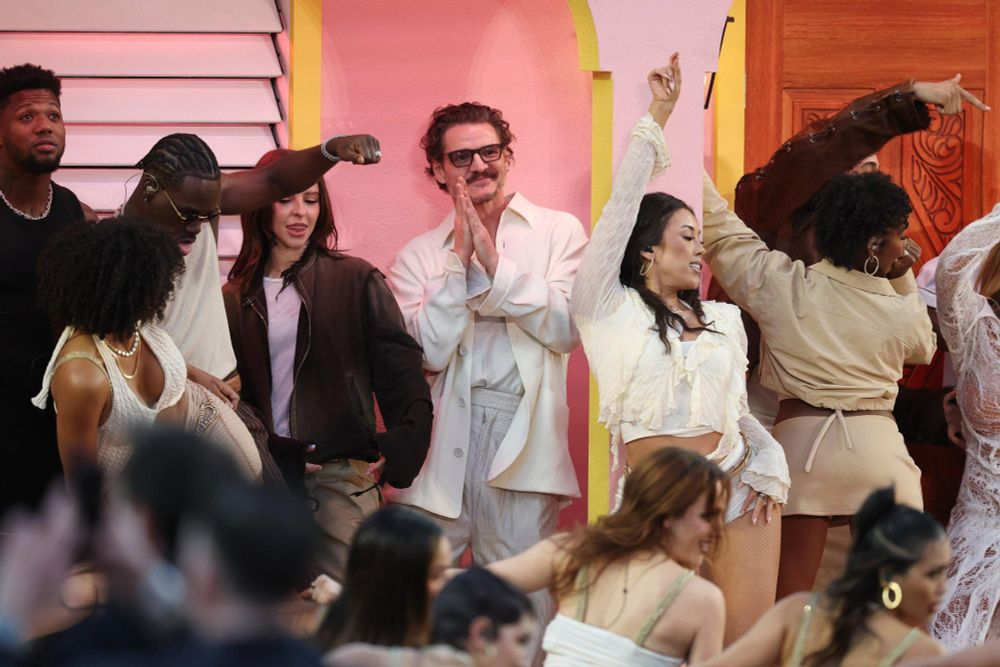
Speaking of great performances, you really can't talk about the Super Bowl without talking about Bad Bunny's halftime show, which was an incredible work of art on all fronts. It was fun and danceable, yes, but also full of powerful messaging about colonialism, gentrification, and resistance; even if you don't speak a word of Spanish, the visuals leave no doubt as to what's being conveyed. And to top it all off, Ronald Acuña Jr. was there:
See you at Spring Training next week!